

ABACO ISLANDS – HOW TO PLAN AND PREPARE FOR A SAFE VOYAGE
For avid boaters, a journey to the Abaco Islands, Bahamas mirrors the thrills you enthusiastically experienced as a child with trips to amusement parks, hiking and camping, family vacations, or even days fishing with your father. The minute you enter the turquoise waters of the Grand Bank; the uncontrollable smile sets in and you feel tingles of excitement run up and down your spine. It’s a sensation you seek time and time again, and one that you strive to share with others as I’ve done for years. Then, when you get back to the US you have a sense of pride and accomplishment that you are part of a limited group of adventurers who have experienced the thrill and beauty of the Abaco Islands.
START PLANNING
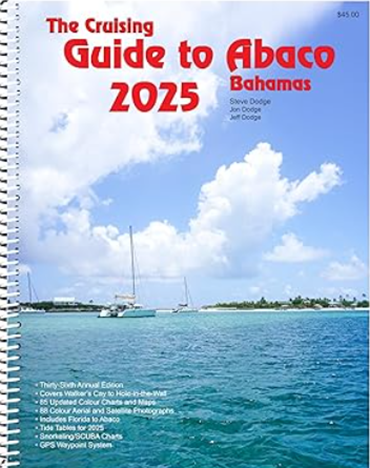
Regardless of your experience, a Bahamas crossing and trip takes a lot of planning and preparation to ensure you maximize your time and enjoy the experience with your guests. It all starts with planning several months ahead of time by booking accommodations for dockage and lodging. One of the best resource for planning the voyage is The Cruising Book to Abaco, Bahamas, Steve Dodge
A new version is published annually and is the result of numerous survey runs on the Sea of Abaco and at harbor entrances, aerial flights and photographs which result in updated charts. Plus, the book contains information regarding various business at each port on the way as you progress through the Bahamas beginning on your route from Florida.
Beyond the mentioned book, spend your free time exploring the internet, reading hotel websites, joining social media forums, and reaching out to friends seeking advice and information. If you are not familiar or a novice with the trip, I’d advise finding an experienced buddy or reach out to Boundless Yacht Management to seek professional advice (www.boundlessym.com) and they can guide or point you in the right direction. If interested, they also assign professional captains to ride/guide you along on the voyage over to the Bahamas with you.
GATHER CRITICAL INFORMATION ABOUT YOUR PASSENGERS
Once you book your hotel and marina accommodation, ensure all your anticipated passengers have up-to-date passports that do not expire within 6 months of the trip conclusion. It’s imperative that you understand each passenger’s health conditions; and be sure to research the island’s healthcare options and contingency plans in the event of a health emergency. As the captain, you are responsible for everyone and decline guests from joining you if you are not 100% confident you can accommodate their health needs and/or risks.
ORGANIZE A “TRIP TO DO LIST” AND START THE PROCESS
Well, now the fun starts as you prepare your vessel, plot the voyage, form a schedule, and build a rations list for the trip. Start by purchasing a SIM Cards from your electronics manufacturer with up to date Bahamas charts. These charts can show you the latest depths, hazards and clearly mark channels to ensure you are confident when navigating shallower waters. Plus, the charts assist you in planning as you can sit at the dock enjoying a cold beverage while marking GPS points you can follow when you make the voyage. In my experience, plotting these points in advance can cut miles off the trip as by hugging adequate depths along the shoreline.
On the last trip to the Abacos, we realized a 30-minute reduction in the trip just because my confidence level of cutting the coastline paid off. 1-2 months before your voyage, ensure all annual services have been completed on your vessel. One key area overlooked for outboard service is water pumps. This replacement does require more labor due to its location, however, it’s advised to have this aspect addressed. Additionally, you will want to have an in-depth discussion with your mechanic regarding what spare parts you will want to ensure you can address any simple fixes. Be sure to have no less than 1:1 extra fuel filters to engines on the vessel, spare prop, spare generator impeller(s), spare bilge pump, spare freshwater pump, various zip tie sizes, various hose clamps, and a secret trip is a used bicycle rubber tube to patch any hose leaks. We encourage you to contact Boundless Yacht Management if you are unsure or need guidance, a professional is on standby to assist you at boundlessym.com.
LEARN HOW TO CHANGE YOUR FUEL FILTERS
If you are highly organized, consider watching YouTube videos on how to change fuel filters and ask your mechanic to demonstrate when you pick up your boat from service. Traces of water in gas is the highest risk in the Bahamas and knowing how to change will make this potential issue much less of a problem that it could be. Your filter can pick up as little as ½ a teaspoon of water and your engine alarms will catch it. I’d also ensure your insurance and tow membership includes the Bahamas coverage.
Back in 2023, we departed Old Bahama Bay before sunrise and were running on the Grand Bank in a Pursuit OS385 that has three fuel tanks. Five miles into the trip, alarms started alerting water in the fuel, which was affecting the middle engine that was solely sourcing fuel from the middle tank. Because of our familiarity with the vessel and the engine demonstrating zero performance issues, we stayed on plane and immediately shut off the middle tank and moved the center engine to another fuel tank. Fortunately, we had no issues and proceeded to stay on plane, all the way to the Abaco Beach Resort. It was during the changing of the fuel filters I recognized how little water can trigger alarms, how difficult it can be to break the seal on a fuel filter, and how your patience will be challenged with the situation after planning for this adventure for months. Key learning, be prepared with knowledge and right tools.
DITCH BAG AND SUPPLIES
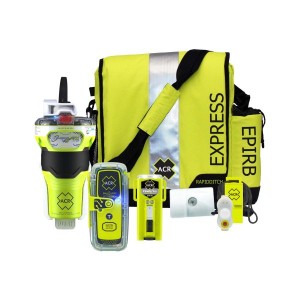
In addition to repair supplies, you will want to ensure you have a proper ditch bag fully stocked with first aid, handheld VHF, whistle, mirror, flares, sunblock, and water.

We recommend having a raft onboard in the event you have an emergency this could mean the difference between life and death. Also, I like to carry a suture set with appropriate wound cleaning and a tourniquet. Carry a supply of medicine, anti-biotics, benadryl, ibuprofen, aspirin, stomach medicine, bug spray, etc.
PLAN YOUR FOOD AND DRINKS
This part of the Bahamas does not have an abundance of fresh food simply due to how spread out and remote it is relative to key ports. For this trip, it’s necessary to plan a balance of our own groceries from the US vs. a reliance on restaurants and grocery stores. The food culture is great over there, however, you definitely want to have certain food staples at the very least.
First and foremost, bring all the water and beverages you need for the trip and stage how you store it based on the type and size of vessel. Also, consider buying prepared meals for your first two days so you can focus on enjoying yourself instead of worrying about cooking. Pack lots of breakfast bars to simplify mornings and consider an assortment of deli cold cuts knowing which type lasts longer than others as you begin to consume it on the trip. If you plan to grill meat, it’s always great to freeze everything and use it as a cooling agent in your coolers.
CRUISING AND FISHING PERMITS
A week out from your trip, ensure you have digital copies of your passenger’s passports and utilize the Click2Clear online resource so you can pre-register your crew, vessel and fishing licenses. This resource is an excellent way to take care of your documentation and ensure your affairs are in order.
T-MINUS 7 DAYS
Start studying weather patterns and wind directions to ensure you are acutely aware of the conditions. Finalize and confirm the plan and rendezvous point to meet up with any boats you are joining on the journey. Plus, consider scheduling ice block and bait delivery to your boat if you plan to fish.
THE JOURNEY BEGINS
First and foremost, it’s highly recommended to have someone not on the journey keeping tabs on you. Notify them of your departure times and check-in points. Make sure they know your vessel type and plan. Plus, provide them with phone numbers for the hotel, customers, and USCG. When you make it to the Bahamas, there is cell phone signal in most if not all parts of the journey for you to relay your safety.
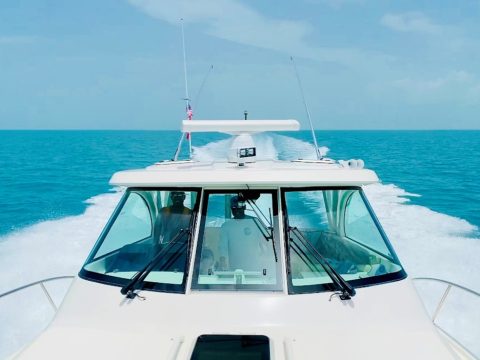
If it’s your first journey across, we highly recommend you check-in at customs at Old Bahama Bay, West End as it’s simple, approximately 60 miles from the US, and has an abundance of fuel year-round. A tip from an experienced boater, when you are heading east during this 60+ mile Atlantic Ocean crossing, the gulf stream will push your vessel’s heading south. Based on your speed and the sea conditions you will always want to dial-in your heading several miles north of West End as you cross from US waters.
Customs opens at 9AM and it’s my recommendation you calculate an arrival around 845AM to provide you ample time to stop and fly your yellow quarantine flag, idle into port, and moor on the most eastern docks just past the fuel dock. When you arrive, it’s imperative that only the captain step on land until the boat has cleared customs.
The Bahamians are super friendly and truly want to help you as a guest. Even though they are mostly not too pushy, the locals are helping with the goal of earning tips or similar. It has always been my practice to bring gifts. They love a case of American beer or roast beef lunch meat at the customs dock since beef is scarce in the islands. Remember the locals’ names and you will start to become familiar with them over the years. If you’re on your first voyage, we highly recommend you top off with fuel, so you don’t have to worry about fuel for the rest of your journey on your way to your destination.
SHORTCUT – BEST LOCATION TO ENTER THE GRAND BANK BY WEST END
If you are in a vessel with less than 4.5’ draft, then you can comfortably and immensely shorten your journey if you use Indian Cay Channel just north of West End. If you have an opportunity to join a rendezvous, the picture below is from Indian Cay Channel. If it’s an outgoing tide and the waves are breaking, I would highly discourage using this channel unless you are very experienced with it. If it’s rough, there are other routes much further north (Memory Rock or White Sand Ridge which you should plot as an alternative prior to the trip.
When using Indian Cay Channel, going idle speed and having someone on the bow is my recommendation until you have properly marked your GPS as you transit it. The water is plenty deep, however, there are some coral heads that could come into play if you went far off course. Generally, it’s recommended to go slow for about 1.5 miles as you cross this area. You will know once you’ve cleared all the coral areas.
As you plan out and begin your Grand Bank transit, you can be confident that the toughest part of the journey is behind. You will notice that boats are either heading out or back to the US on this route. You can rest assured if you stay on a main route that boats will be around, and the shallower waters of the bank will produce a smooth ride. Generally, along the path, the water ranges from 12’ to 25’ in depth which is why it’s so vibrant in turquoise colors.
THE RETURN TRIP – SAFETY IS A PRIORITY
When you plan your return, the trip should be a much easier journey because you will have already established tracks on your GPS screen. Unless you are very experienced, consider stopping at Old Bahama Bay to top off on fuel before you make your crossing. I’d advise having at least double the fuel your boat requires to make the crossing in the event a storm pops up and the ocean starts churning.

Plus, if you are crossing during the summer you need to consider the severe storms that are produced on the Florida peninsula usually after 1PM. These storms can completely block you from the US coast and will scare your passengers if they are not familiar. If you are not familiar with these weather patterns, consider staying in Old Bahama overnight on your return and head out of there early in the morning to head home. But, not before studying the weather.
ENJOY THE BAHAMAS
In closing, the Bahamas is a gem just off the coast of Florida. If you put in the time to plan the trip and exercise safe practices, the trip will likely be the first of many. The memories and stories build up and in time you may find yourself making several trips a year once you familiarize yourself with everything the islands have to offer.
Safe travels!!!